13 Things I Rarely Pay Full Price For Anymore

Some posts contain affiliate links, see disclosure for more details.
I genuinely love finding a bargain. There’s something really satisfying about buying something you needed anyway and knowing you got it for less than you could have.
Over the years I’ve become slightly obsessed with not paying full price and finding ways to save money.
- Second-hand marketplaces.
- Cashback.
- Discount codes.
- Library books.
- Facebook Marketplace finds.
The result is that there are now quite a few things I almost never pay full price for and it hurts me if I have to!
Not because I’m trying to deprive myself, but because I’ve realised there is often a cheaper way to buy exactly the same thing.
Here are some of the things I rarely pay full price for anymore and the habits that help me save money along the way.
My “Don’t Pay Full Price” Checklist
Before buying something, I usually check:
It sounds simple, but those quick checks have saved me hundreds of pounds over the years.
1. Clothes and Children’s Clothes
The first place I check for clothes these days isn’t a shop. It’s Vinted.
At first, I only used Vinted for the kids. Then I realised there were plenty of bargains for me too.
I’ve found dresses, coats and jumpers that looked practically new, along with children’s clothing bundles that worked out cheaper than a single outfit from the high street.
Do I still buy new clothes sometimes? Of course. But for things like a dress for the school leavers party my 10 year old is gonna wear once – preloved is the way to go.
Preloved marketplaces like Vinted are a great way to refresh your wardrobe at a fraction of the price – and you get the extra benefit of being more sustainable too!
2. Children’s Hobbies and Sports Equipment
Vinted’s not just good for clothes.
If you have children, you’ll know how quickly hobbies can become expensive.
One minute they’re desperate for roller skates. The next it’s football. Then suddenly everyone needs a scooter.
One of my best finds was a pair of roller skates each for my daughters that looked almost new but cost a fraction of the retail price.
The same goes for football boots, dancewear, swimming gear, costumes and all the other things children seem to need for approximately five minutes before moving on to something else.
3. Books
Books are my weakness.
If left unchecked, I’d probably come home with a new one every time I went shopping. My Amazon basket is full of them.
These days, the library saves me from myself. Before buying a book, I check whether I can borrow it first. If not, I’ll look at Kindle Unlimited (one fee for as many books as you like), charity shops or second-hand book sites.
I’ve read plenty of books that would have cost £10–£15 each without spending a penny.
And if you’re anything like me, there’s a decent chance you already have a pile of unread books somewhere in the house.
Don’t get me wrong, if there’s a new book out by my fave author and the reserve list at the library is months, sometimes I’ll cave and just buy it anyway. But you can usually save the money somehow.
4. Online Shopping

I probably remember to check for discount codes about 80% of the time. The other 20% of the time I remember just after I’ve paid.
Still, checking takes seconds and has saved me loads of money. Browser extensions like Honey automatically searches for voucher codes and apply them to your check out.
Cashback is another way to save loads on your shopping. Sites like TopCashback have tons of retailers listed on their website and if you click through from there before you shop, you earn a percentage back on your purchase. It’s basically free money.
Read more: 17 savvy tips to save money on Amazon
5. Groceries, Toiletries and Everyday Essentials
I know some people genuinely enjoy hunting down supermarket bargains and will drive between supermarkets to save a few pounds.
That’s not me, doing the grocery shop is a job I’d happily delegate.
But I will happily use cashback apps, loyalty rewards and supermarket offers if they’re quick and easy.
Apps like Cheddar let you buy supermarket gift cards and give you a percentage back in cashback, which is great and take seconds to do.
Plus, always being signed up to loyalty cards, checking the store app and loading any offers before you pay is another way to make sure you’re not overpaying where you could be making a saving.
Read more: 13 easy ways to save money on groceries
6. Holidays
Have you ever looked at a holiday, decided to think about it overnight, then come back the next day and found it’s £200 more expensive?
It’s painful.
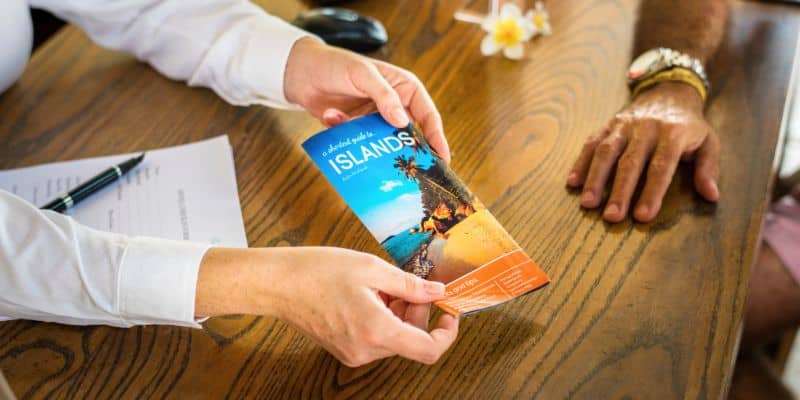
That’s why I never book the first option I see anymore. I compare a few different sites, check for cashback opportunities and play around with the dates before making a decision.
When you’re spending £1,000 or more on a family holiday, saving £50 or £100 is definitely worth a few extra minutes.
7. Furniture and Home Décor
Has anyone ever actually paid full price for a sofa?
Furniture shops seem to live in a permanent state of sale.
Bank holiday sale.
Spring sale.
Summer sale.
Must-end-this-weekend sale.
Unless I need something urgently, I never feel pressured to buy straight away.
Facebook Marketplace is also brilliant for furniture, mirrors, shelving, lamps and other home accessories. People are constantly redecorating, downsizing or moving house, which means there are bargains everywhere if you’re willing to have a look.
8. Family Days Out
Family days out have a sneaky way of becoming expensive.
First it’s the tickets.
Then parking.
Then lunch.
Then somebody wants something from the gift shop.
The gift shop remains my nemesis. Why do you always have to walk through it be able to leave.
Before booking anything, I usually spend a few minutes checking whether there are discounts available through cashback sites, loyalty schemes, Groupon, or special offers.
It doesn’t always work, but when it does, it’s an easy win.
9. Things I Want But Don’t Need Yet
Some of the best savings I’ve made have come from simply waiting.
Not because the item got cheaper, although sometimes it does. But because after a couple of weeks I’ve realised I didn’t actually want it that much in the first place.
I’m terrible for convincing myself that a gadget, kitchen tool or random Amazon purchase is going to completely transform my life. Hello, airfryer in my kitchen.
These days, if something isn’t urgent, I leave it on a wishlist for a while.
Sometimes I still buy it. Sometimes I find it cheaper.
And sometimes I completely forget about it, which tells me everything I needed to know.
But if I am buying – I check for a deal first.
This Amazon deal finder can check for bargains for you.
Read more: Everyday Things Frugal People Never Do
10. Subscriptions
I’m convinced most people are paying for at least one subscription they’ve forgotten about.
Streaming services are usually the main culprit.
These days I’m much quicker to cancel things when I’m not using them and restart them when I actually want them.
It sounds obvious, but it’s easy to pay for things you barely notice anymore.
If you sign up for something just for the free trial, always set a reminder on your phone to cancel it before it renews and you get stung with the payment.
11. Christmas Decorations
Buying Christmas decorations in January feels slightly ridiculous.
It also feels pretty clever when December rolls around and you remember you paid way less than everyone else.
If you’re organised enough to think ahead, the post-Christmas sales can be brilliant. Wrapping paper, gifts, decorations. My favourite was when I bought loads of jars of mincemeat for pennies – it has such a long expiry date so was great for baragin mince pies the next year! I also still have a couple of christmas puds in the cupboard from Jan I got for 17p.
Read more: 15 ways to celebrate Christmas on a budget
12. Borrowing and Swapping
One of the biggest money-saving lessons I’ve learned is that not everything needs to be owned.
- Pressure washers.
- Carpet cleaners.
- Specialist tools.
- Camping equipment.
- Party decorations.
A lot of these things get used once or twice a year at most.
Sometimes the cheapest way is simply asking around first. You can always return the favour with things you have and others don’t.
We’ve also swapped things with friends over the years, especially kid’s stuff.
Fancy dress costumes, books, toys and outdoor games can all be shared without everyone buying their own version.
Borrowing also has the added bonus of not having to find somewhere to store everything afterwards.
13. Takeaways
I’m not going to pretend we never order takeaways. Sometimes you just don’t have the energy or motivation to even think about what’s for dinner, AGAIN.
But I do try to remember to check for discount codes before ordering.
The key word there is try. Sometimes I remember. Sometimes I remember halfway through eating the chips.
So, Do I Still Pay Full Price Sometimes?
Of course I do.
Sometimes I need something immediately.
Sometimes I forget to check cashback.
Sometimes I spot a book I want and buy it before I’ve even looked at the library catalogue.
But much less often than I used to.
The biggest change hasn’t been finding some secret money-saving trick.
It’s just getting into the habit of asking: “Is there a cheaper way to get this?”
Sometimes the answer is no. But often it’s yes.
And when you do that consistently, the savings add up without really feeling like you’re trying.
Read more: 15 Smart Money Saving Hacks
Pin it: