DIY Natural Cleaning Recipes That Actually Work (4 Simple Cleaners You Can Make at Home)
Some posts contain affiliate links, see disclosure for more details.
At some point I realised we had far too many cleaning sprays.
Kitchen spray. Bathroom spray. Glass cleaner. Something for limescale. Something else that claimed to clean “every surface”.
Most of the time I was just wiping down the same kitchen counters anyway.
A quick wipe after cooking. Cleaning the sink. Getting rid of sticky fingerprints on cupboard doors.
That’s when natural cleaning recipes start to make a lot of sense. A few simple ingredients can handle most of those everyday jobs without needing a different bottle for each one.
Things like vinegar, lemon, baking soda and a little washing up liquid can go a long way.
Below are a few simple cleaning mixes that are easy to make and genuinely useful around the house.
Plus, you can also save money with natural cleaning.
The four cleaners in this guide
These are the recipes covered below:
• Vinegar and lemon all purpose cleaner
• Essential oil cleaning spray
• Simple vinegar surface cleaner
• Baking soda scrub for tougher cleaning jobs
None of them are complicated and the ingredients are easy to find.
The handful of ingredients that do most of the work
Most DIY cleaning recipes use the same small group of ingredients. Once you know what each one does, it becomes much easier to mix simple cleaners when you need them.
Vinegar
White vinegar shows up in a lot of natural cleaning recipes.
It helps break down grease and limescale, which makes it useful for things like taps, sinks and tiles. If you have ever tried to clean cloudy marks off a tap, vinegar usually sorts it out quite quickly.
One thing to remember is that vinegar should not be used on marble or granite because the acidity can damage natural stone.
Lemon
Lemon works in a similar way to vinegar but adds a fresh smell at the same time.
It helps cut through grease and can lift stains on things like chopping boards or kitchen surfaces. Even rubbing half a lemon over a cutting board after cooking can make it feel cleaner straight away.
Baking soda
Baking soda is useful when something needs scrubbing rather than just wiping. Mixed with a little water it forms a paste that works well on sinks, ovens and stubborn marks that spray cleaners struggle with.
Washing up liquid or castile soap
Grease often needs soap to break it down properly. A small splash of washing up liquid in a cleaning spray can make it much more effective in kitchens where food residue builds up.
You only need a small amount though. Too much soap tends to leave streaks.
Essential oils
Essential oils are optional but they can make homemade cleaners smell much nicer.
Lemon, lavender and tea tree oil are popular choices. Tea tree oil is often included because it has natural antibacterial properties.
A few drops is plenty.
Four simple natural cleaning recipes
These cleaners cover most everyday jobs around the house.
They are easy to mix together and simple to replace when the bottle runs out.
Vinegar and lemon all purpose cleaner
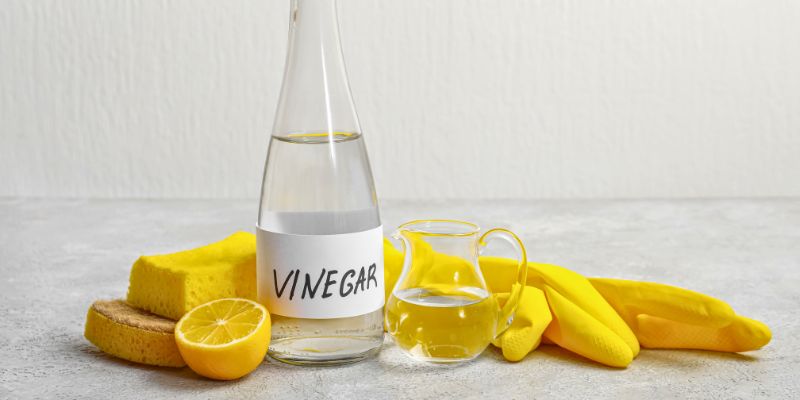
This mixture works well for general cleaning around kitchens and bathrooms.
Ingredients
2 cups white vinegar
2 cups water
Peels from 2 to 3 lemons
Place the lemon peels in a jar and pour the vinegar and water over them. Leave the mixture in a cupboard for two to three weeks so the lemon flavour infuses into the liquid.
After that, strain out the peels and pour the cleaner into a spray bottle.
This cleaner works well for:
• kitchen counters
• sinks
• tiles
• bathroom surfaces
• windows
Just avoid using it on marble or granite.
Essential oil cleaning spray
If you are not keen on the smell of vinegar, this cleaner is a good alternative.
Ingredients
2 cups water
1/4 cup liquid castile soap or mild washing up liquid
20 to 30 drops essential oil
Add the ingredients to a spray bottle and shake gently to combine.
Lemon, lavender and tea tree oil all work well. Some people like mixing two oils together for a stronger scent.
This spray works well for general surface cleaning around the house.
Simple vinegar surface spray
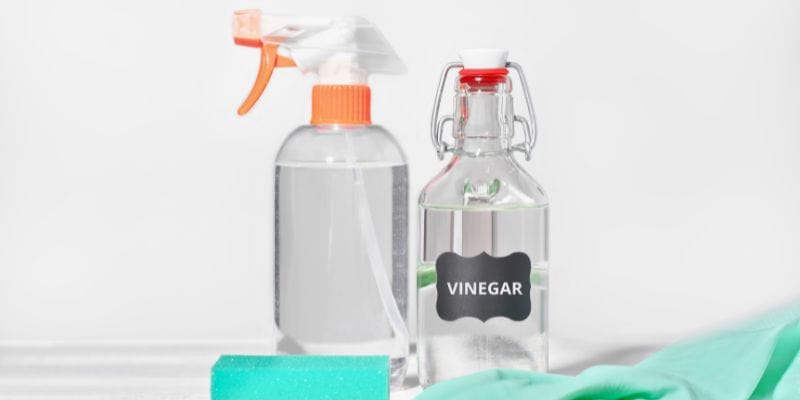
Sometimes the simplest cleaner is the one that gets used the most.
Ingredients
Equal parts white vinegar and water
A squeeze of lemon juice if you like the smell
Mix everything in a spray bottle and give it a quick shake before using.
This type of cleaner is useful for things like:
• wiping kitchen worktops
• cleaning bathroom sinks
• removing water marks from taps
• freshening bins or surfaces
Kitchen counters tend to collect all sorts during the day. Crumbs, tea spills, sticky fingerprints from jars. Having a simple spray ready makes it much easier to wipe things down quickly rather than leaving it until it becomes a bigger cleaning job.
Baking soda scrub for tougher marks
For jobs that need a bit more effort, baking soda works really well.
Ingredients
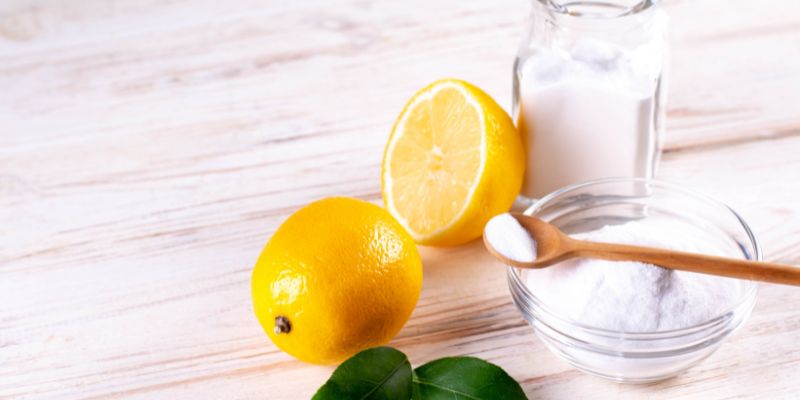
1/2 cup baking soda
2 to 3 tablespoons water
Mix together to form a thick paste.
Apply the paste to the surface, leave it for a few minutes, then scrub gently before rinsing.
This works particularly well for:
• sinks
• oven stains
• bath residue
• grout lines
Which cleaner works best for what
If you are not sure which one to reach for, this quick guide helps.
| Cleaner | Best used for |
|---|---|
| Vinegar and lemon spray | Kitchen counters, sinks, tiles |
| Essential oil spray | Everyday wiping and surface cleaning |
| Vinegar surface cleaner | Worktops, taps and quick clean ups |
| Baking soda scrub | Ovens, sinks and stubborn stains |
A few small things that make these cleaners work better
Homemade cleaners are simple to use but a couple of small habits help.
Test a small patch first
Some surfaces react differently depending on the material. Trying a small hidden spot first avoids surprises.
Shake spray bottles before using
If the cleaner contains oils or soap, the ingredients can separate slightly. A quick shake sorts that out.
Avoid mixing vinegar and bleach
These should never be combined because they create harmful fumes.
Be careful with acidic cleaners
Vinegar and lemon should not be used on marble, granite or other natural stone surfaces.
Storing homemade cleaners
Homemade cleaners do not contain preservatives, so they are best made in smaller batches.
Most mixtures last a few weeks if stored in a sealed spray bottle and kept out of direct sunlight.
Labelling the bottle with the ingredients and the date it was made can also help avoid confusion later.
A simpler way to deal with everyday cleaning
It is easy to end up with several different cleaning sprays that all promise to do slightly different things.
In practice, a few simple mixtures can handle most of the usual cleaning jobs around the house.
Ingredients like vinegar, lemon and baking soda are inexpensive and easy to keep in the cupboard, and they can replace quite a few shop bought products.
Sometimes the simplest cleaners are the ones that get used the most.